Houston is a Gulf Coast city where the main threat to siding is not hail but water — humidity, heavy rain, and hurricanes that drive moisture into and behind the walls. As the largest city in Texas, with roughly 2.3 million residents, a 42.0% owner-occupancy rate, and a median home value of $253,400, Houston has an enormous, largely affordable, and renter-heavy housing stock exposed year-round to one of the most humid climates in the country. Siding here fails through rot, mold, and moisture intrusion more than impact, and storm season brings hurricane wind and rain on top of that. This page covers the local conditions, materials, services, and siding companies serving Houston.
Local conditions: what Houston does to siding
Moisture is the main threat. Houston's subtropical Gulf climate keeps humidity high most of the year, and the NOAA 1991–2020 normals at Houston Intercontinental show roughly 50 inches of rain a year — among the wettest of any major U.S. city. That constant moisture is what breaks down siding here: wood rots, hardboard swells and delaminates, paint fails, and mold and mildew grow on and behind panels. Repairing moisture damage, not hail, is the defining siding job in Houston.
Hurricanes and tropical storms. Houston sits in the hurricane zone, and major storms — Hurricane Ike in 2008 and Hurricane Harvey in 2017 among them — bring wind that tears siding loose and wind-driven rain that is forced behind it. After a tropical system, siding needs inspection for loosened panels and for water that penetrated the wall, even where the surface looks intact.
Heat and UV. The NOAA normals at Houston Intercontinental show an annual average of 70.6°F, with about 102 days a year at or above 90°F. Sustained heat and strong UV fade siding and, combined with humidity, accelerate paint failure and material breakdown.
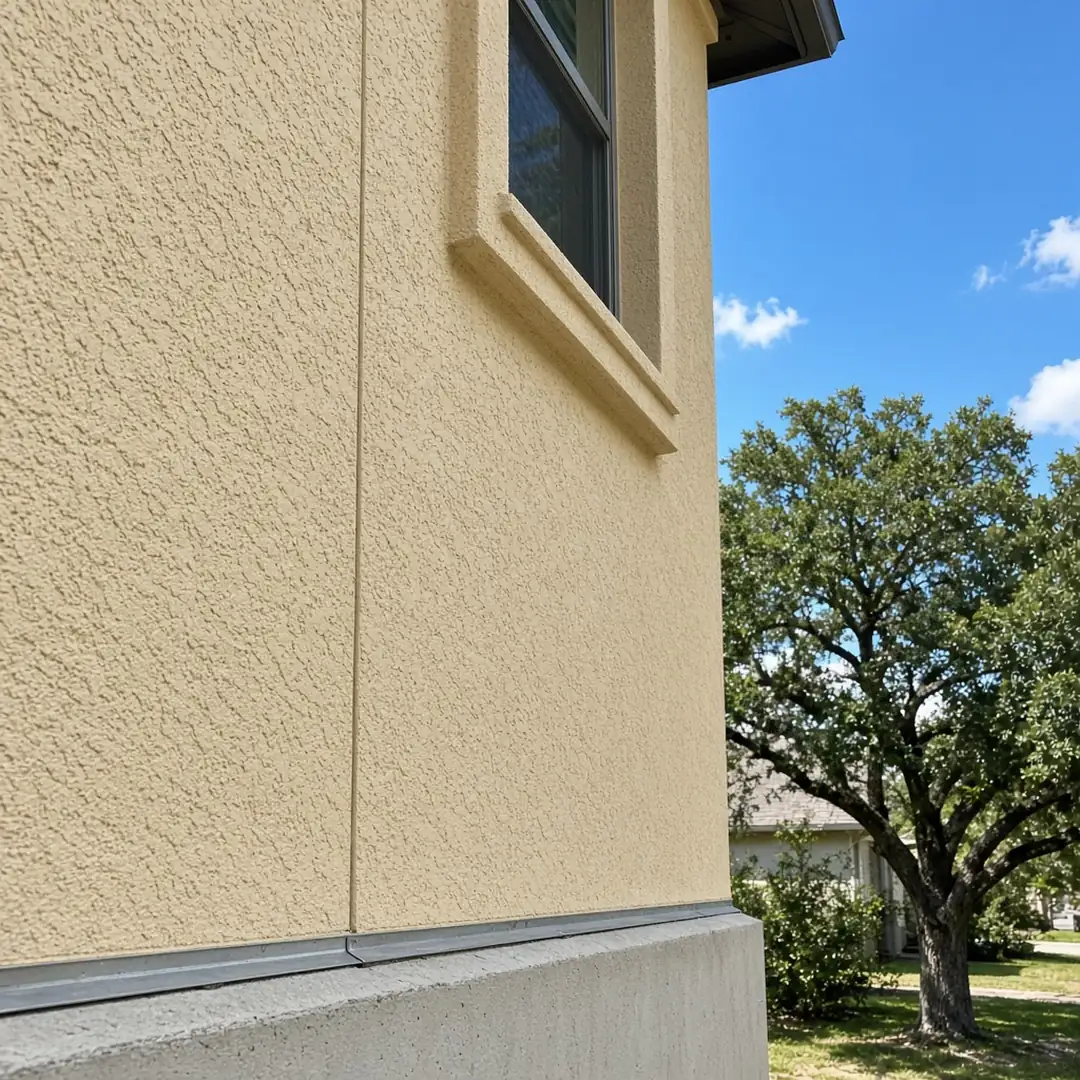
Expansive clay and a high water table. Houston sits on Gulf Coast clay — locally called gumbo — that swells and shrinks with moisture, along with a high water table and ground subsidence in places. That movement shifts foundations and cracks brick veneer and stucco, opening paths for the very moisture that does the most damage.
Siding materials for Houston homes
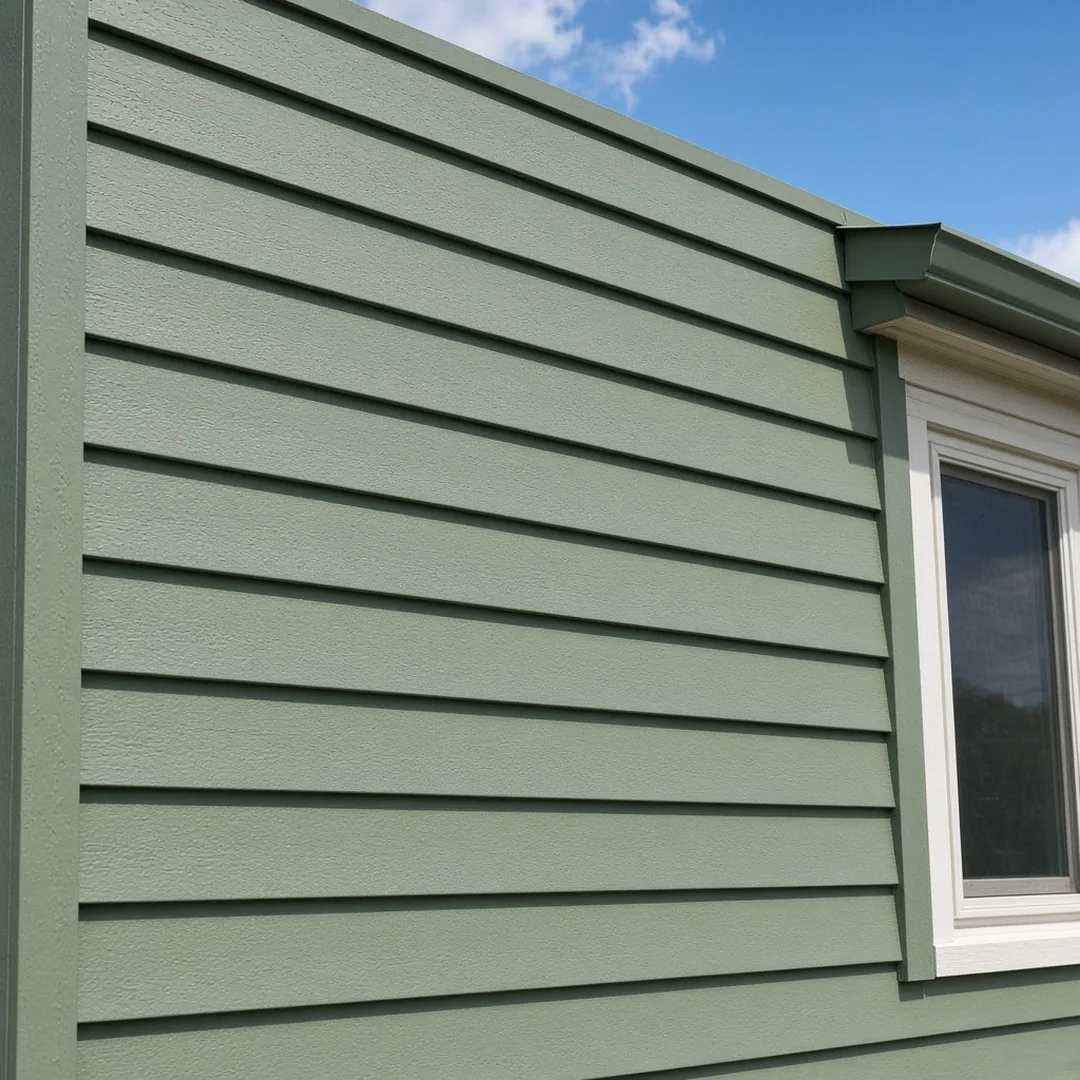
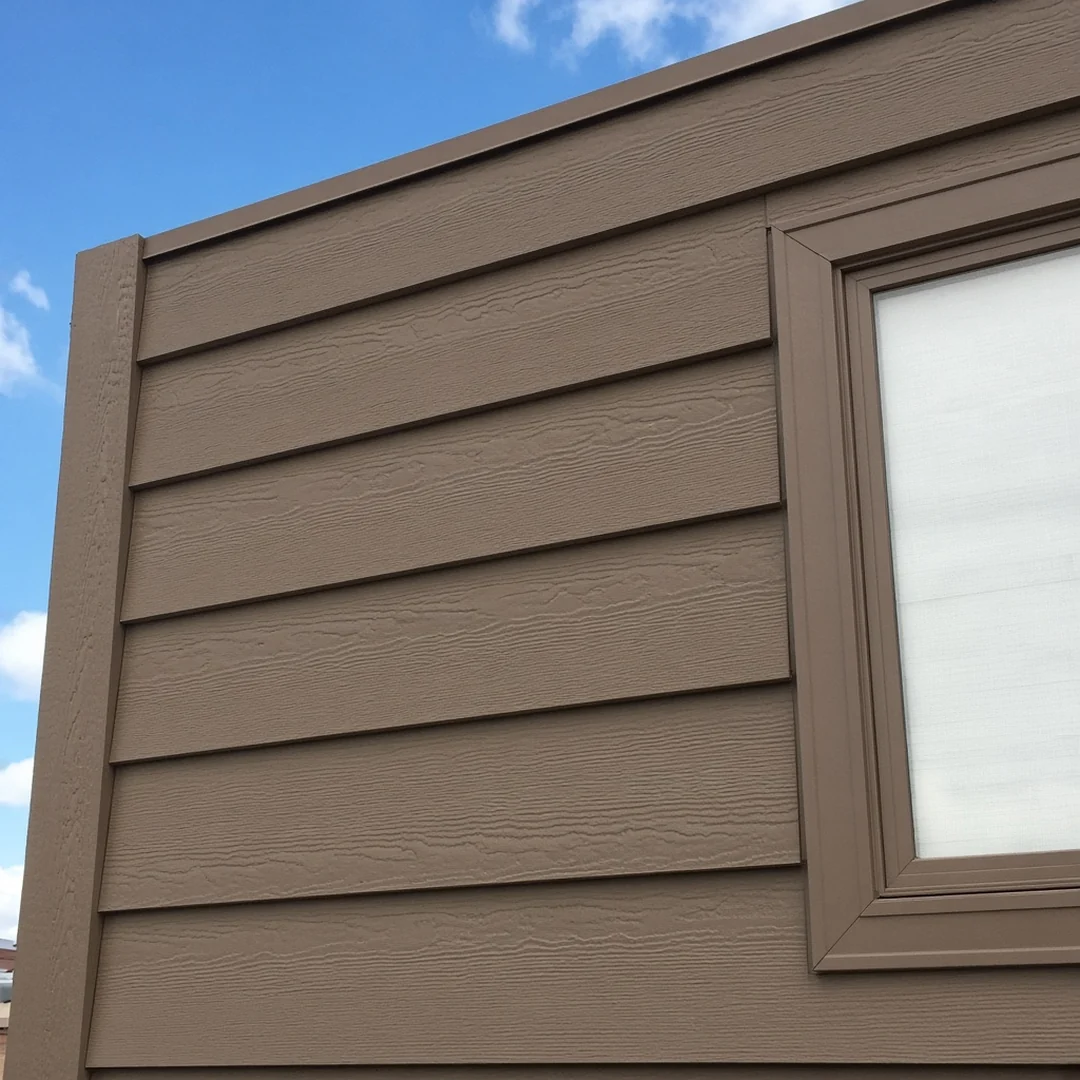
- Fiber cement — the leading choice in Houston for its resistance to moisture, rot, and insects; it holds up in humidity far better than wood and resists the Gulf heat.
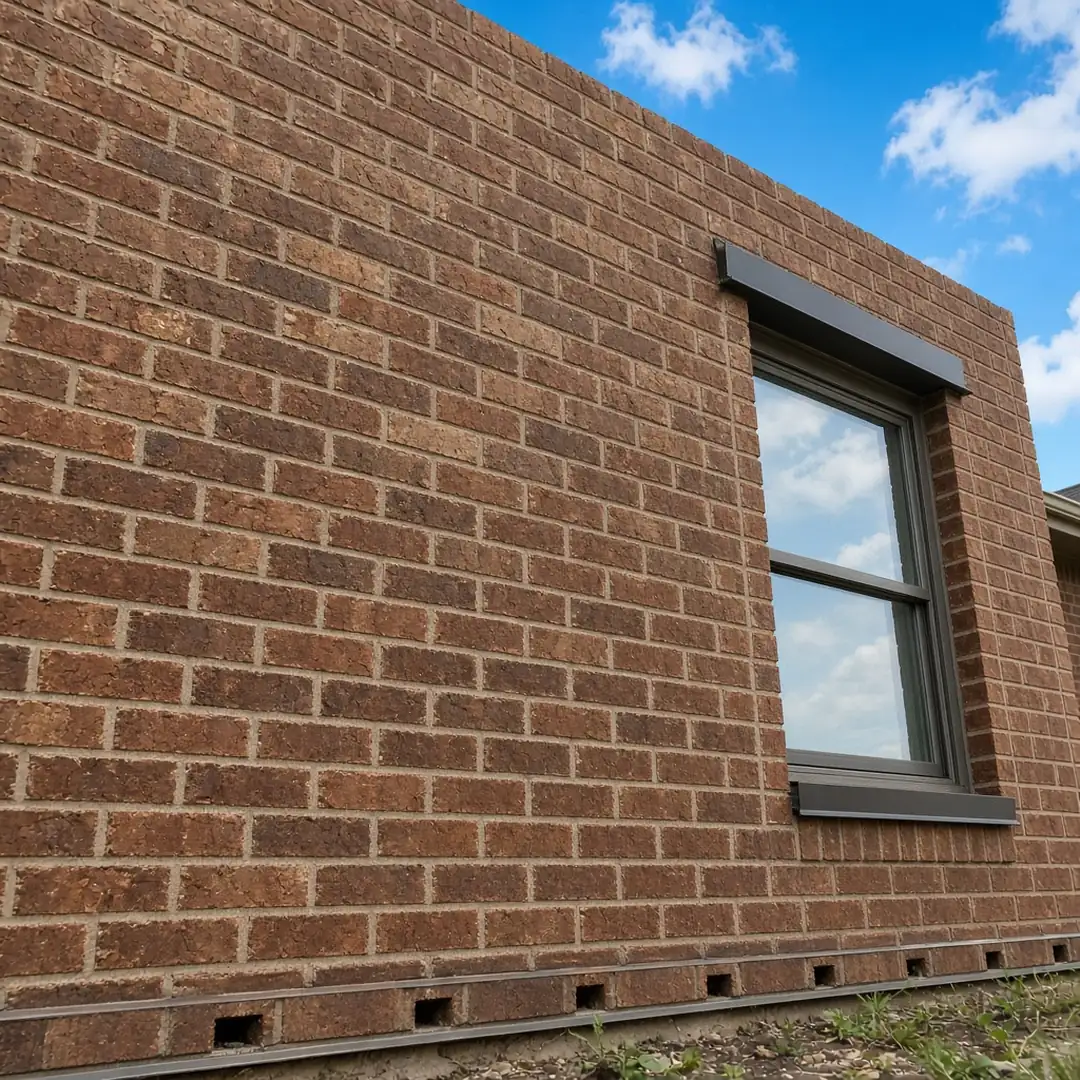
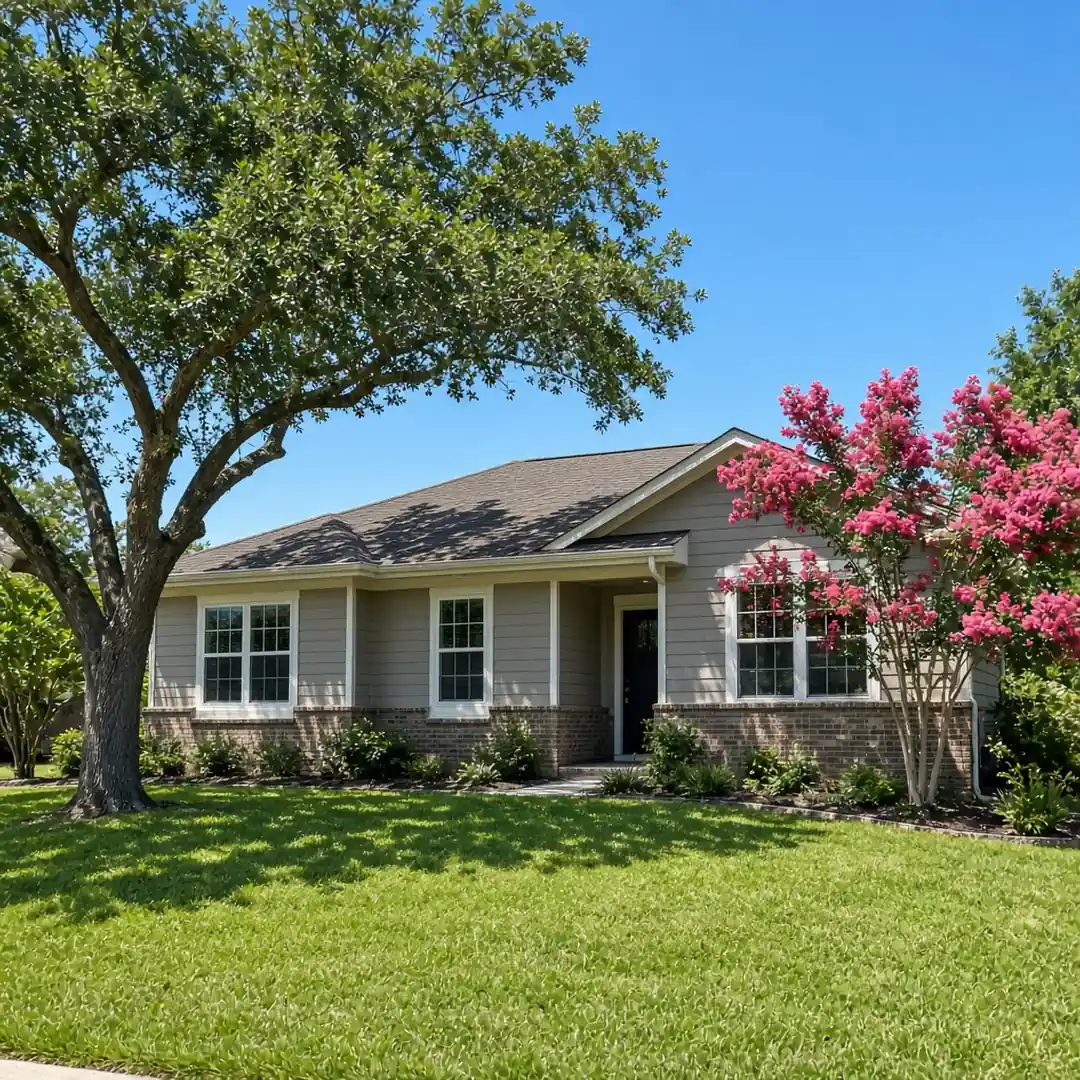
- Brick veneer — common across Houston subdivisions, near-maintenance-free but prone to cracking when gumbo clay shifts a foundation, which lets moisture in.
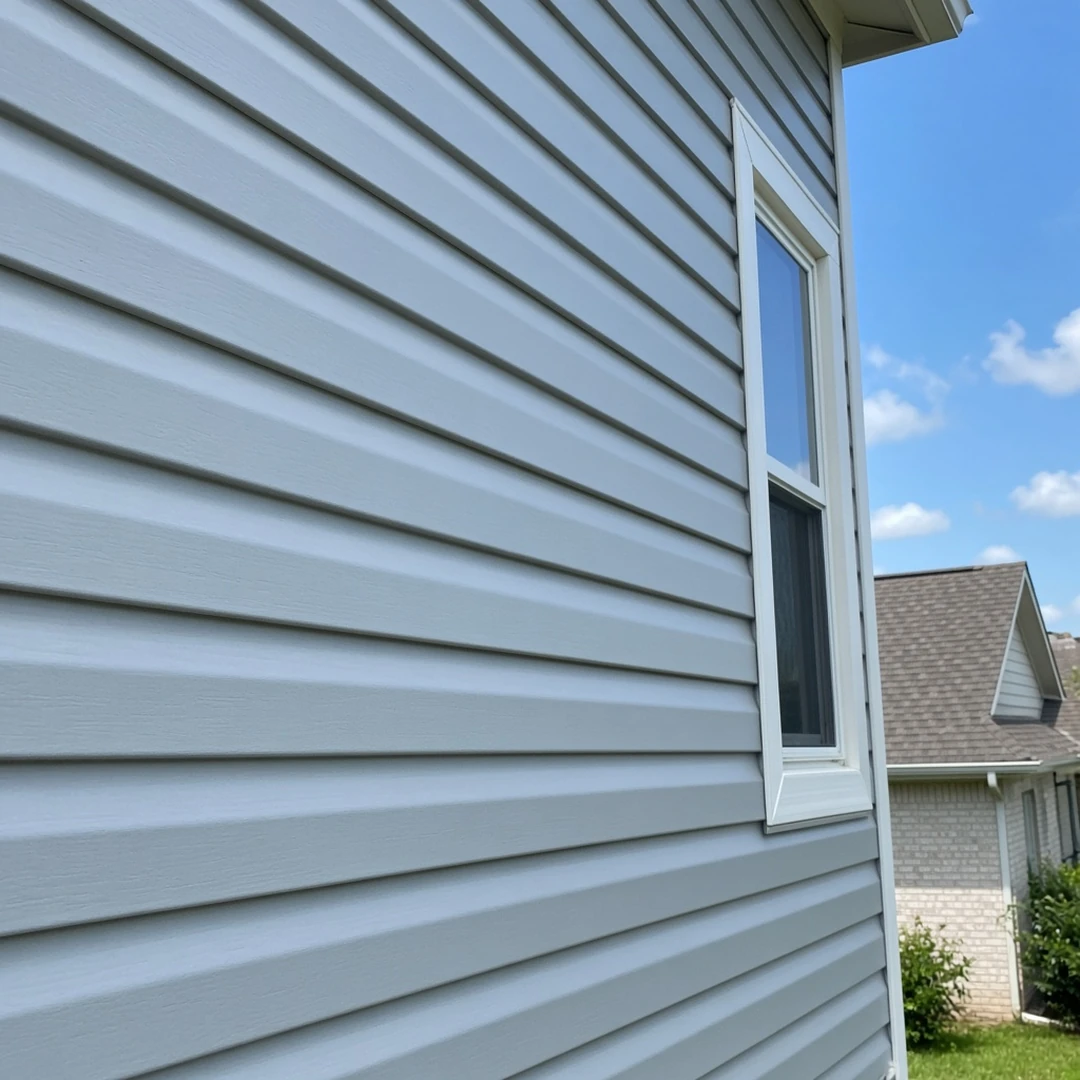
- Vinyl — widely used on Houston's affordable and rental stock; moisture-resistant itself, but it can trap water behind it if not installed with proper drainage.
- Engineered wood — a wood look treated for better moisture and insect resistance than natural cedar, which struggles in Houston humidity.
- Wood (legacy) — original on older Houston homes and the material most vulnerable to rot, mold, and insect damage in this climate.
Siding services in Houston
Siding repair in Houston
Repair is the core service in Houston. It covers rotted and swollen panels, mold and mildew remediation on and behind siding, resealing failed joints, and fixing moisture intrusion before it spreads into the sheathing and framing. Catching water damage early is what keeps a repair from becoming a replacement.
Siding replacement in Houston
Replacement is frequently driven by moisture — wood or hardboard that has rotted and delaminated across walls, or storm-damaged sections. A full tear-off exposes the sheathing so hidden water damage and mold can be corrected, and many Houston owners move to moisture-resistant fiber cement at that point.
Siding installation in Houston
New installation on additions and rebuilds centers on the water-resistive barrier, flashing, and proper drainage behind the panels — critical in a wet climate — with moisture-resistant material matched to the home's exposure.
Storm and hurricane damage repair in Houston
After a tropical storm or hurricane, siding is inspected for wind-loosened panels and, more importantly, for wind-driven rain forced behind the cladding. Damage is documented for insurance, and affected sections are repaired before trapped moisture rots the wall from inside.
Common siding problems in Houston
- Rotted, swollen, and delaminated wood and hardboard from constant humidity and rain.
- Mold and mildew growth on and behind panels in the damp Gulf climate.
- Wind-driven rain forced behind siding during tropical storms and hurricanes.
- Cracks in brick and stucco from gumbo-clay foundation movement, opening moisture paths.
- Paint and finish failure accelerated by combined heat, UV, and humidity.
Siding Contractors Serving Houston
The following companies provide siding work in the Houston area. Listings are independent contractors and are provided for information only; verify current details directly with each company.
Listings are independent contractors shown for information only — no endorsement is implied, and there is no call-to-action attached to any listing. Verify current details directly with each company.
What to look for in a Houston siding contractor
In a moisture-driven climate, how a contractor handles water behind the wall matters more than anywhere else. Texas has no state siding license, so confirm the following yourself:
- General liability insurance verified directly from the insurer.
- A local address and verifiable Houston-area jobs — a track record, not a post-storm number.
- Moisture and drainage expertise — a contractor who inspects the sheathing for hidden rot and installs a proper water-resistive barrier and flashing, not just surface panels.
- Mold awareness — recognition that moisture-damaged siding frequently hides mold that must be addressed, not covered over.
- No deductible offers — absorbing your insurance deductible is illegal in Texas.
- Time to decide — a legitimate contractor gives you a written scope, not a same-visit signing demand, especially in the rush after a hurricane.
Call Us Now for a Siding Contractor in Houston
Need siding repair or a contractor in Houston for moisture damage, storm repair, replacement, or new installation? Call Us Now and get connected with a local pro serving the Houston area.