
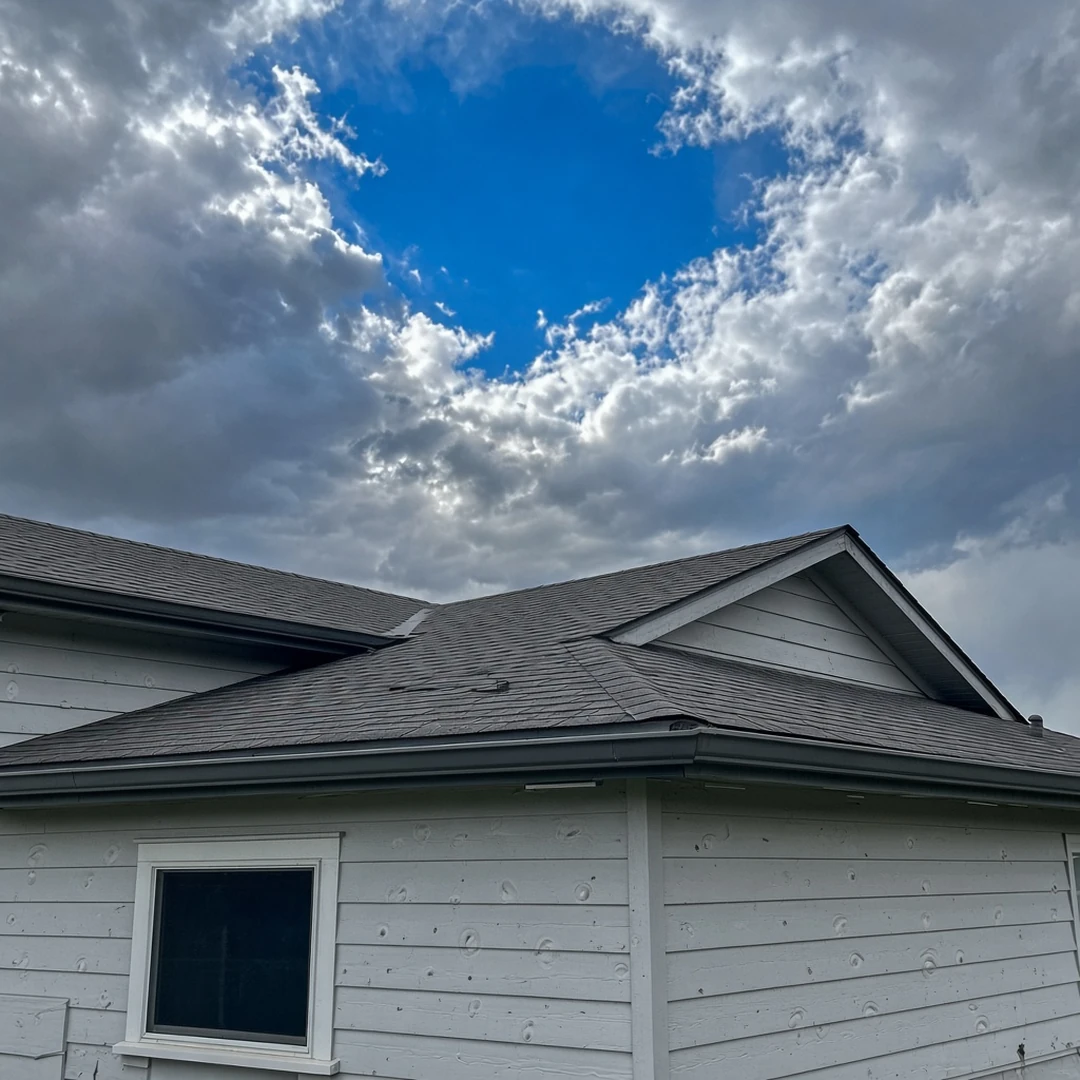
Texas is the hail capital of the United States, and it is not close. The state has led the nation in hail-damage losses for over a decade, and in 2025 it recorded 902 major-damage hail events — more than double the next state, Illinois, according to the Insurance Information Institute. A Cotality analysis puts nearly 8 million Texas properties at moderate or greater risk of hail damage, the most of any state. For a Texas homeowner, hail is not a rare event to prepare for once; it is a recurring threat the exterior of the house faces every spring. Here is how it damages siding, how to catch it, and what to do. Call Us Now to reach a siding contractor after a storm.
The short answer
Hail damages siding by cracking, denting, and puncturing panels, which breaks the wall's water barrier and lets moisture rot the sheathing behind it. Because roofs take the obvious hit, siding damage is routinely missed until the hidden water damage spreads. After a major storm, have the walls inspected along with the roof, document everything, and choose impact-resistant materials like fiber cement or brick when you repair or replace.
Why Texas gets so much hail
Texas sits in the most active severe-storm corridor in the country, where warm Gulf moisture collides with dry air off the plains to build the towering storms that produce large hail. The season peaks in spring, roughly March through May, and North Texas takes the worst of it. The Dallas-Fort Worth metroplex has been hit by some of the costliest hailstorms in state history, and single storms have caused hundreds of millions to over a billion dollars in insured damage across the region. The combination of frequent storms and dense suburban housing is why Texas tops the national hail-loss rankings year after year.
How hail damages siding
Hail hits siding differently depending on the material and the size of the stones, but the mechanisms are consistent:
- Cracking and puncturing. Golf-ball and larger hail cracks vinyl and can puncture thinner panels outright, especially when the material has already been aged and made brittle by years of Texas sun.
- Denting and bruising. Softer or aluminum materials dent; even where the surface looks intact, the impact can bruise and weaken the panel.
- Breaking the seal. The real damage is invisible: hail loosens panels and opens seams, breaking the water-resistive barrier so that wind-driven rain gets behind the cladding.
- Hidden rot. Once water is behind the siding, it soaks the sheathing and framing out of sight, and the damage compounds over the months after the storm.
Hail size and what it does to siding
Not all hail is equal, and the size of the stones largely determines what happens to a wall. Forecasters describe hail by comparison to everyday objects, and each step up changes the risk:
- Pea to dime size (up to ~0.75 inch): cosmetic marks on aged or soft materials; frequently harmless to sound siding.
- Quarter size (~1 inch): the common threshold where insurers consider damage plausible; it can crack brittle vinyl and chip finishes.
- Half-dollar to golf-ball size (1.25–1.75 inch): the range that cracks vinyl outright, chips and bruises fiber cement, and dents metal across the walls that faced the storm.
- Golf ball and larger (1.75 inch and up): widespread cracking and puncturing, broken panels, and a high chance that the water barrier behind the siding is compromised.
North Texas regularly sees hail in the golf-ball-and-larger range during spring storms, which is why the metroplex sits at the top of the damage rankings and why impact resistance drives siding choices there.
The problem: siding damage hides behind the roof
After a hailstorm, homeowners and insurers focus on the roof, because roof damage is obvious and expensive. Siding damage sits literally to the side. A cracked panel or a broken seam does not leak immediately — it leaks slowly, and by the time a stain appears on an interior wall, the sheathing behind the siding may already be rotting. This is why siding claims are filed late or missed entirely, and why a storm inspection that covers only the roof leaves half the envelope unchecked.
How to spot hail damage on siding
Walk the house after a storm, and pay closest attention to the north-facing walls and the sides that faced the storm's direction. Look for cracks, chips, and holes in panels; dents or circular bruising; pieces of siding on the ground; broken or loosened panels, especially near corners and trim; and dislodged or cracked caulk at seams and openings. Check vinyl in raking light, where cracks show more clearly, and remember that damage is clustered on one or two elevations rather than spread evenly. If the roof took a hit, assume the walls did too until an inspection says otherwise.
What to do after a hailstorm
- Document everything. Photograph the damage with date stamps, from several angles, before any repair. Include close-ups and wide shots.
- Get the walls inspected, not just the roof. Have a contractor check the siding, flashing, and the sheathing condition behind damaged panels.
- Be wary of the crews that follow the storm. Out-of-state storm chasers canvass Texas neighborhoods after every major hail event. Do not sign on the first visit, and never work with anyone who offers to cover your insurance deductible — that is illegal in Texas.
- Mind your claim and deductible. Most of Texas now carries a percentage-based wind-and-hail deductible rather than a flat dollar amount, so know what yours is before you file.
The insurance claim timeline in Texas
Timing matters on a Texas hail claim. Texas law sets a deadline for filing a weather-damage claim, and policies also require prompt notice after a loss — so a siding claim discovered a year later, after a stain finally appears inside, can run into both the policy's notice requirement and the legal filing window. The practical rule is to document and report storm damage soon after the event, not after the hidden damage surfaces.
The process usually runs like this: you report the loss, the insurer sends an adjuster, and the adjuster inspects the roof and, when prompted, the walls. Because siding damage is easy to overlook, it helps to have your own contractor's inspection and dated photos on hand so the siding is assessed, not just the roof. If you and the insurer disagree on the scope, most Texas policies include an appraisal clause that lets each side name an appraiser to resolve the amount. Knowing your wind-and-hail deductible — now a percentage of the insured value on most Texas policies rather than a flat figure — tells you where the claim actually becomes worthwhile.
How to protect siding before the next storm
You cannot stop hail, but you can reduce what it costs you:
- Choose impact-rated materials when you replace. Products tested to the highest impact class resist cracking far better; fiber cement and brick lead here.
- Keep siding maintained. Sound, sealed, non-brittle panels survive a given storm better than sun-aged ones on their last years.
- Trim overhanging limbs. Wind-driven branches add impact damage on top of the hail itself.
- Inspect after every major storm, not just the severe ones. Catching a cracked seam early keeps a cheap repair from becoming a rotted wall.
Which siding resists hail best
No siding is hail-proof, but some handle impact far better than others. Fiber cement and brick are the most impact-resistant common choices, which is part of why they dominate in the North Texas hail corridor — fiber cement's dense cement-and-sand body resists cracking, and brick simply shrugs off most stones. Metal siding dents but rarely punctures. Vinyl is the most vulnerable, especially once Texas sun has aged it. When you repair or replace after a hail event, it is the natural moment to move to a material that will survive the next storm. Call Us Now to reach a siding contractor who can inspect and repair hail damage.
Call Us Now for Hail Damage Siding Help in Texas
After a Texas hailstorm, the walls deserve the same attention as the roof. Siding Pros TX helps you reach siding contractors across the state for storm inspections, repair, and replacement. Call Us Now, or see siding contractors in Texas for how the work is done.